Blog
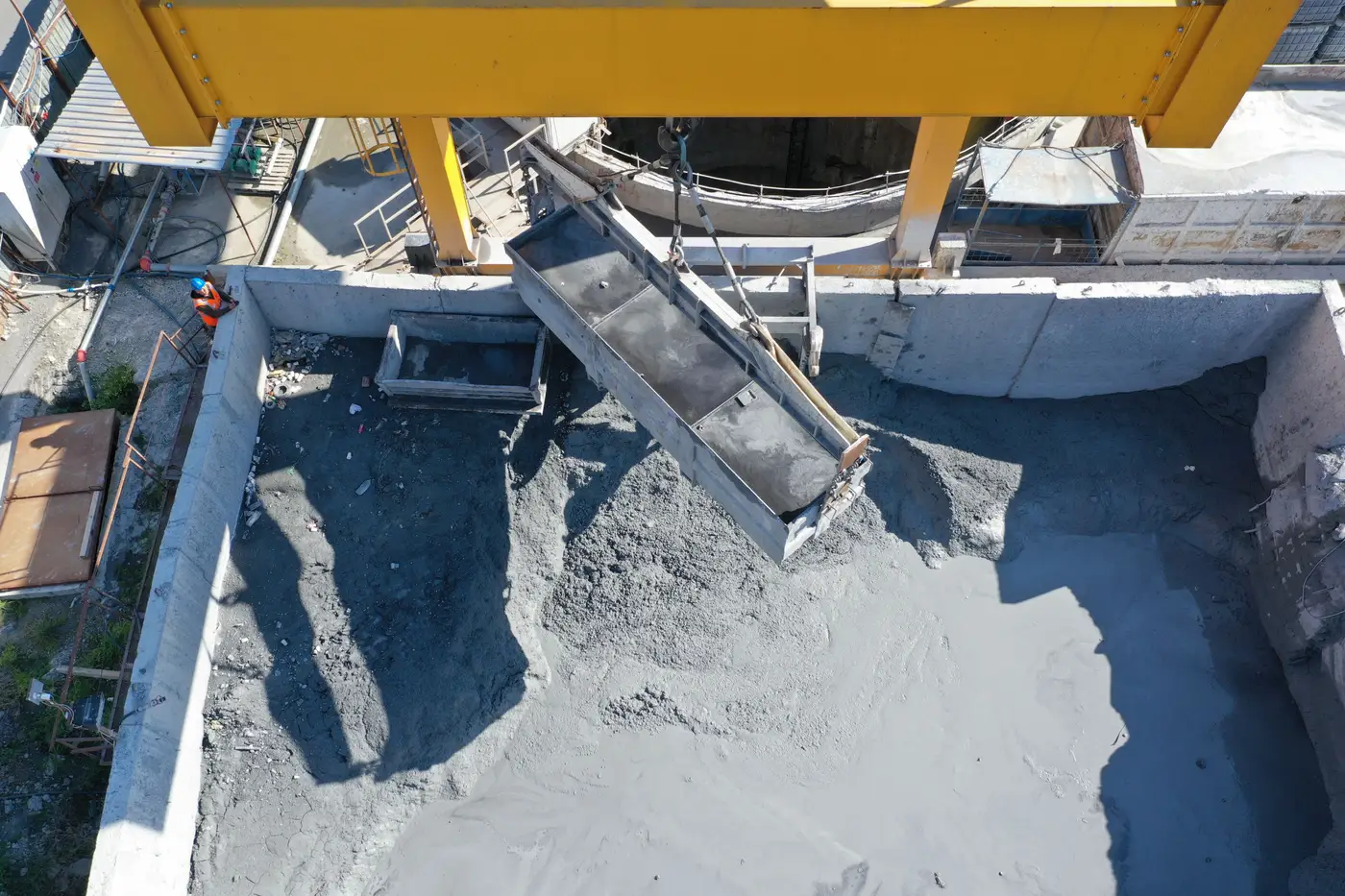 16 November 2026Ductbank vs busway: what the routing choice means for your bidHow the ductbank-or-busway call on a hyperscale job changes civils scope, power package timing and when you should be pricing it.
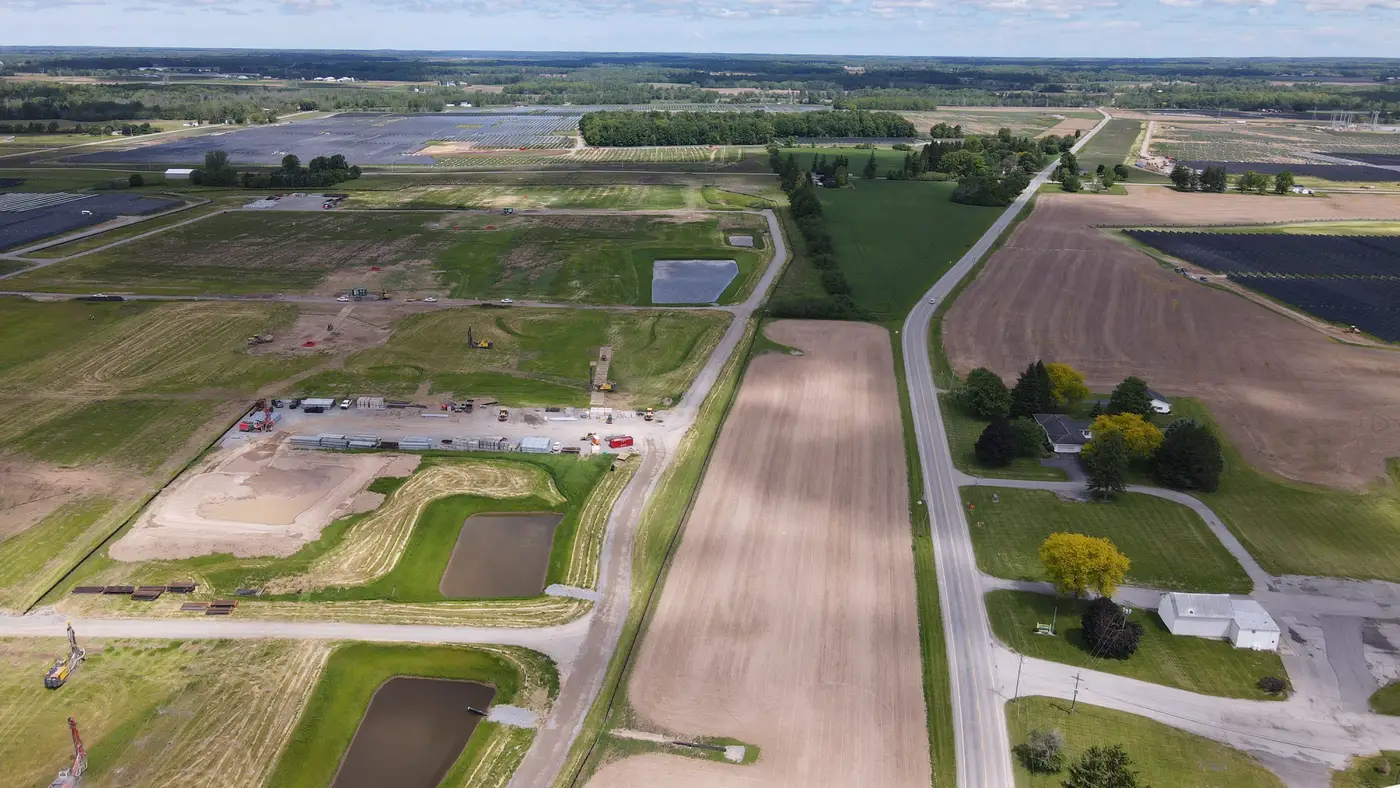 16 November 2026Field notes: three hyperscale campuses breaking ground on the same farmlandA corridor outside a mid-size metro went from soybeans to three campuses in one quarter. What the pattern means for crews chasing the next package.
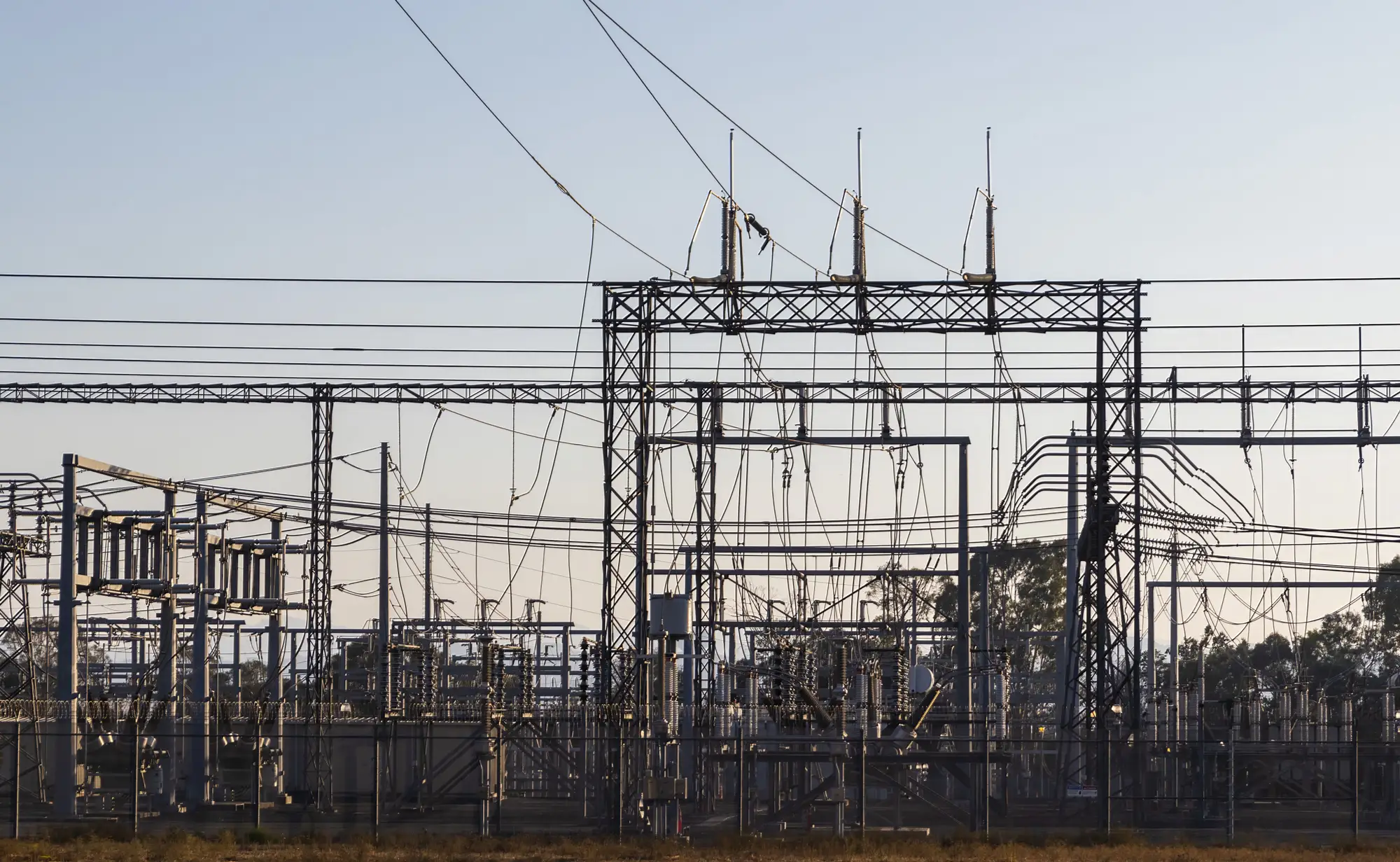 9 November 2026Switchgear compound vs transformer yard: telling them apart in satellite imageryHow to read VHR imagery for the tells that separate a switchgear compound from a transformer yard on a data centre power build.
- 9 November 2026What is a raft foundation, and why a data centre pad differs from a warehouse slabRaft slab vs ground-bearing slab explained for civils bidders: why data centre groundworks scope different from a standard logistics shed.
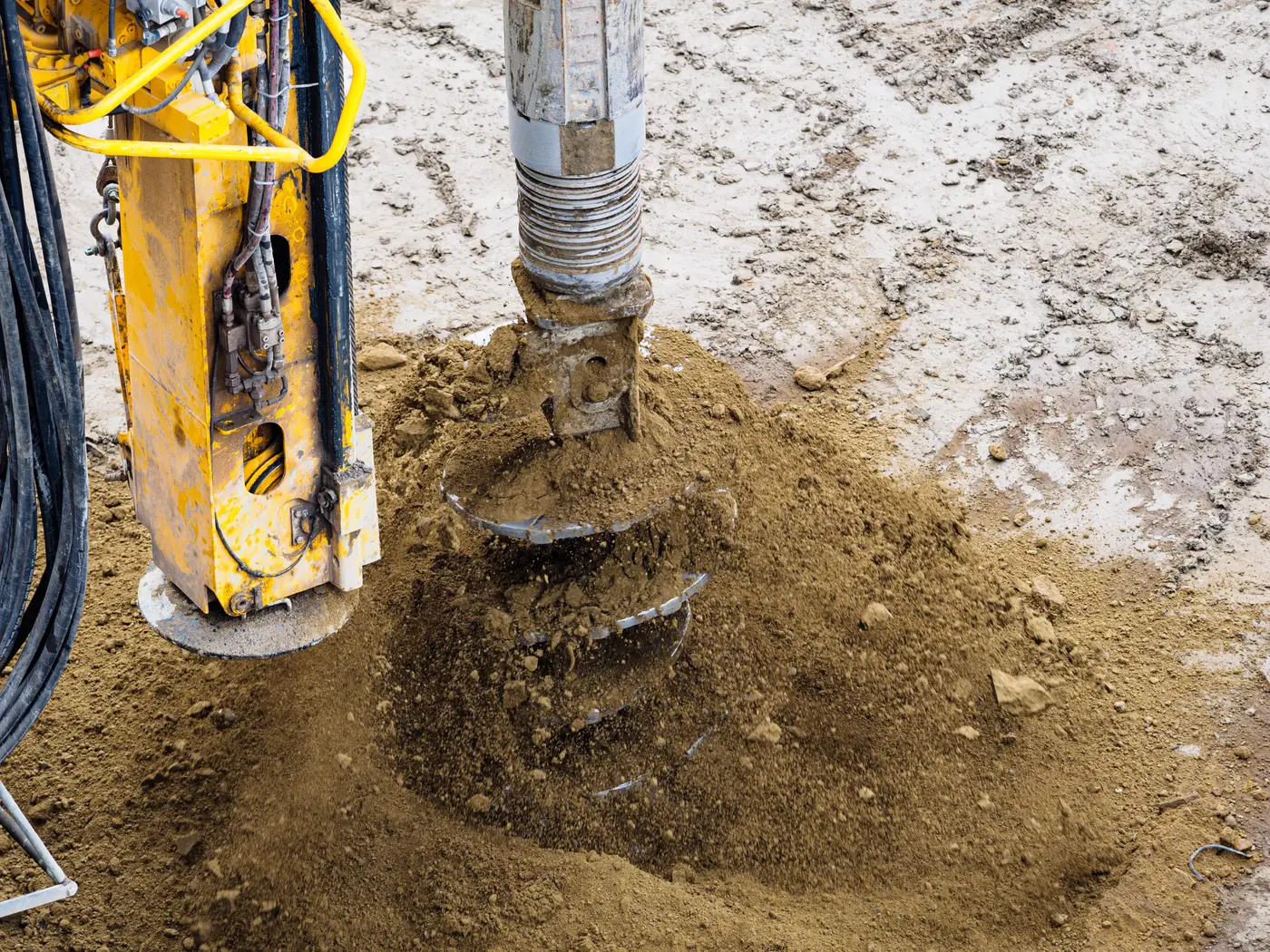 2 November 2026Field notes: the campus that broke ground on a TuesdayA site can be six weeks into groundworks before cooling and power BD teams even know it exists. Here's why that gap keeps happening.
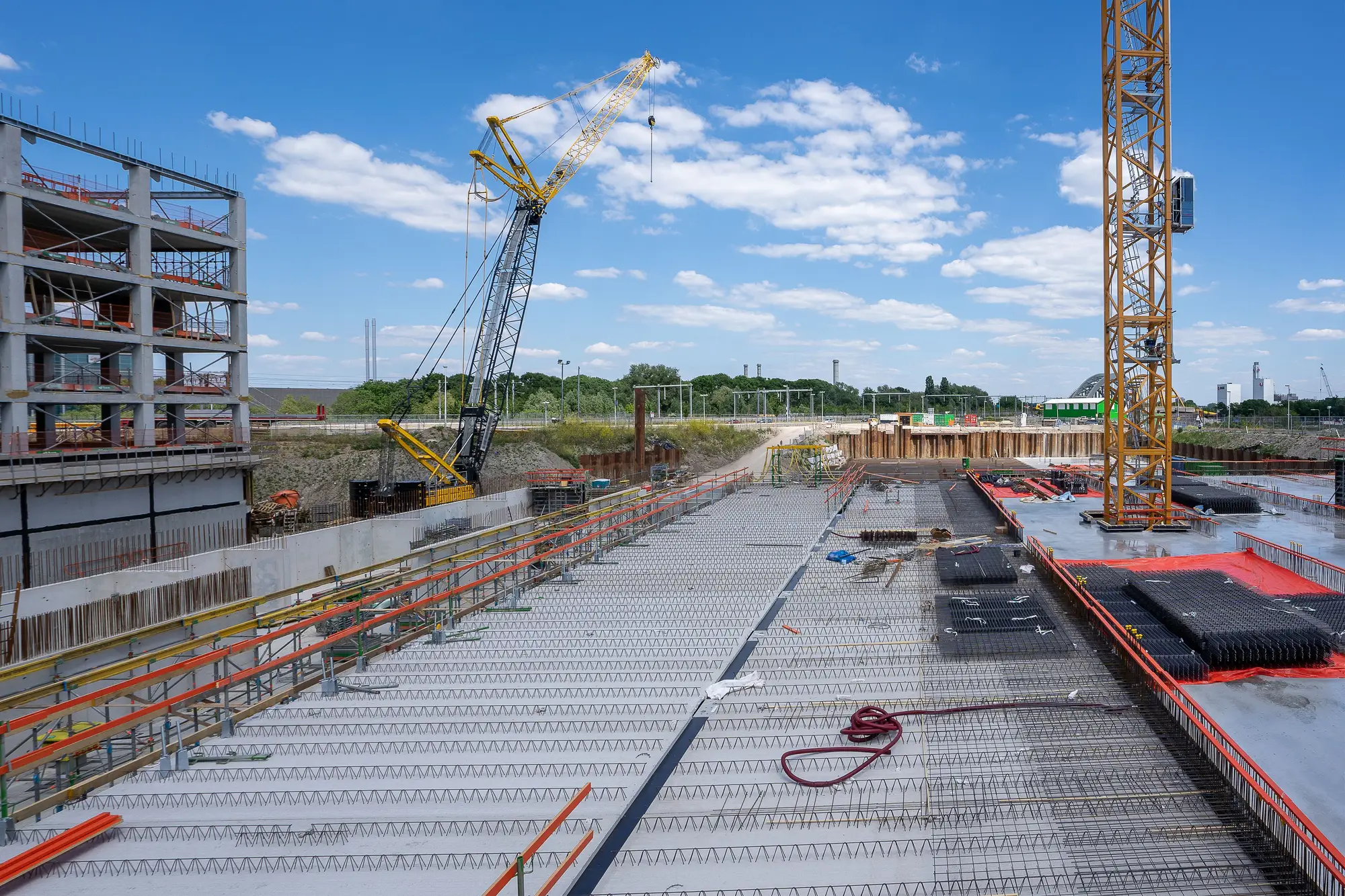 2 November 2026What is a hyperscale campus, and how does it differ from a single data centre build?Hyperscale campus vs standalone data centre: how multi-building sites phase power, cooling and shell work, and what that means for package timing.
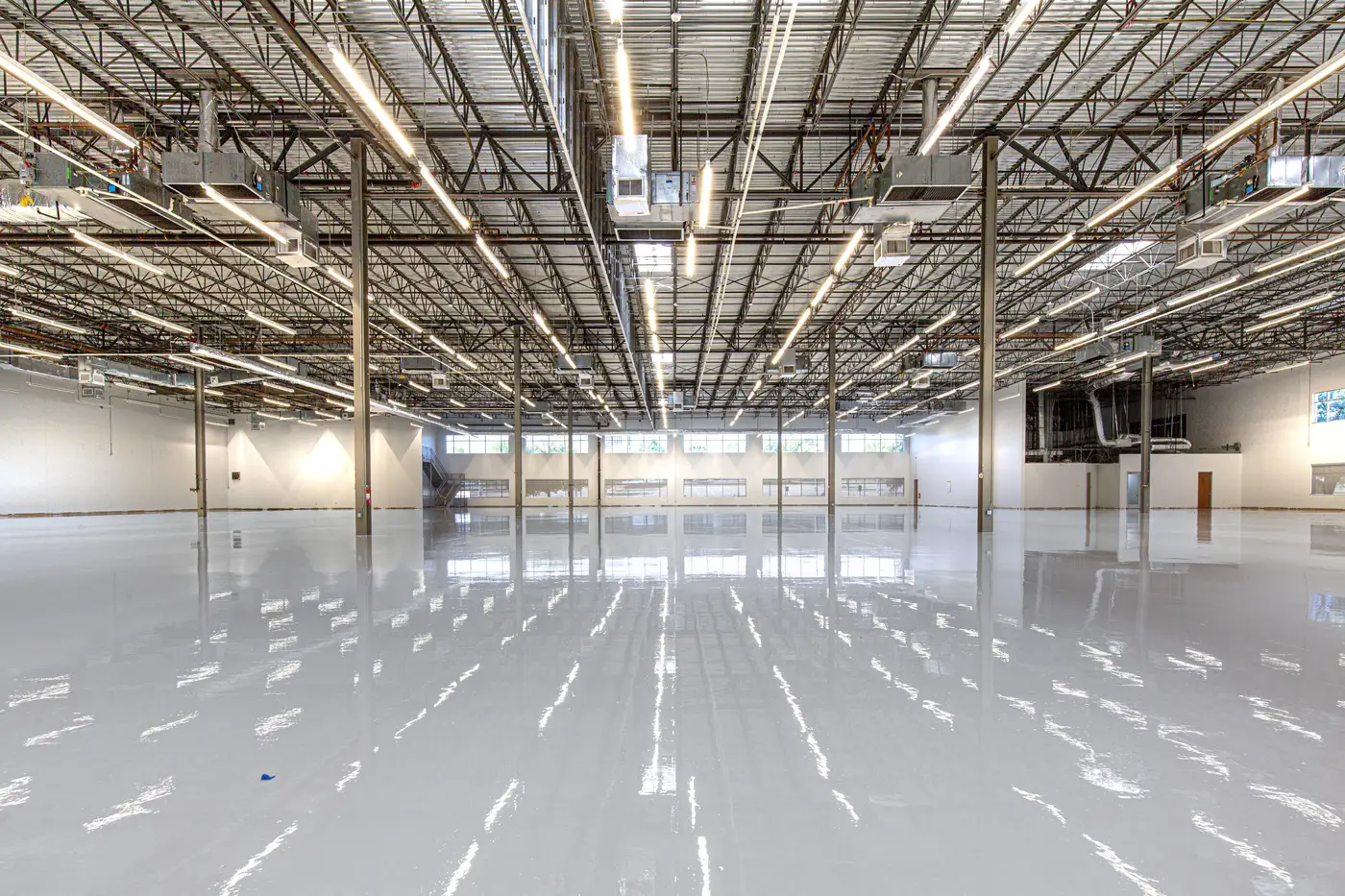 26 October 2026Rack density vs white space: what each term means for a cooling bidRack density and white space get used interchangeably in early docs. For a cooling subcontractor's bid, mixing them up sizes the plant wrong.
- 26 October 2026What is a data hall, and why it matters for fit-out subcontractorsData hall, white space and grey space defined in plain terms, and why catching the build stage early matters for fit-out subcontractors.
- 19 October 2026Field notes: the substation that went in before the first pad was pouredA substation energised on empty land, months before any pad appears, is the real starting gun on a hyperscale build. Here's why.
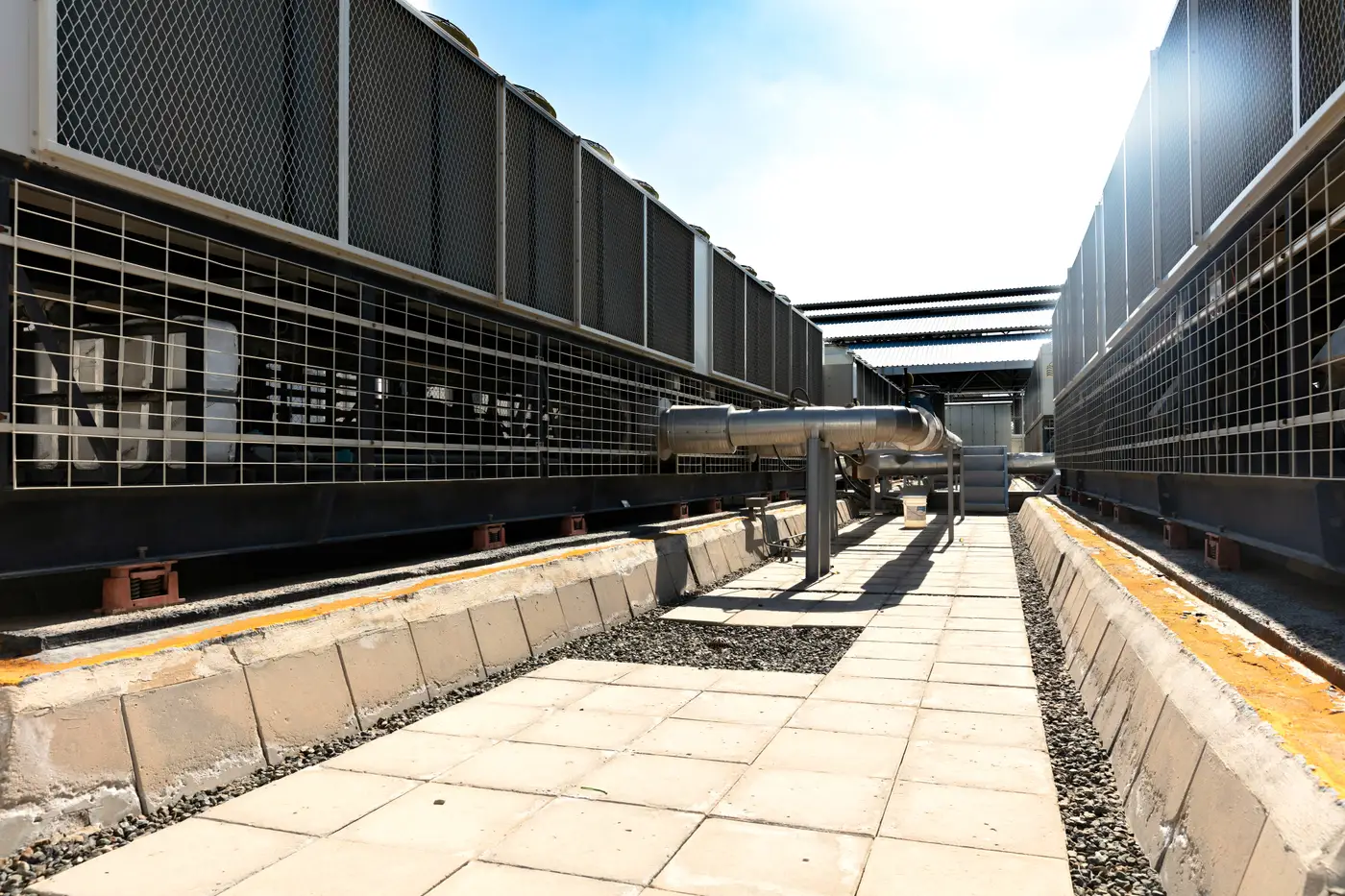 19 October 2026How to count generator bays from satellite imageryHow to read a generator yard from satellite imagery: counting bays, spotting N+1 vs 2N layouts, and estimating standby power before the tender drops.
- 14 October 2026Air-cooled vs water-cooled chillers: how to tell them apart in satellite imageryHow to read a chiller yard from overhead imagery: air-cooled units, cooling towers and dry coolers, and what the mix tells you before the tender drops.
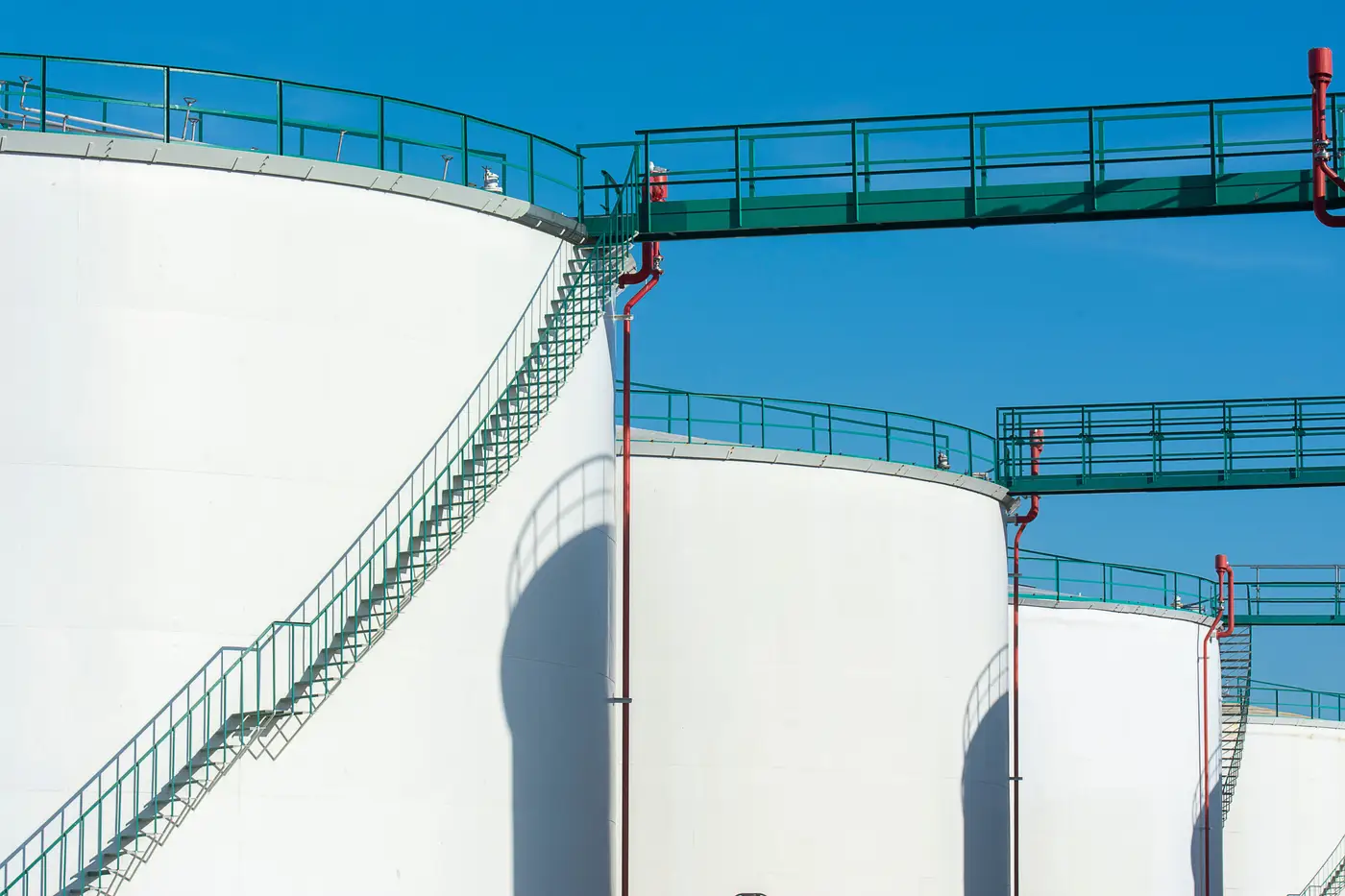 14 October 2026What is N+1 redundancy, and why it sizes the mechanical plantN+1 versus 2N decides how many chillers, CRAHs and gensets go on a data centre job. Here's what the redundancy level actually drives.
- 13 October 2026Cold shell vs warm shell on a data centre build: what the handover point meansCold shell and warm shell explained for data centre builds, and why the handover stage decides when MEP and cooling packages go to tender.
- 13 October 2026What is a fuel farm, and why it matters for data centre standby powerA plain explainer on fuel farm construction, diesel storage sizing and why standby generator fuel capacity shows up early in the build sequence.
- 7 October 2026How to spot a chiller yard being built before the tender dropsHow to spot a chiller yard or CRAH compound forming on site weeks before the cooling package goes out to tender.
- 7 October 2026How to tell a data centre shell from a big-box warehouse shellThe visual tells that separate a windowless data centre shell from a distribution shed, read off the slab, the yard and the fence line.
- 7 October 2026Shell and core vs fit-out: what each phase means for data centre subcontractorsShell and core versus MEP fit-out on a data centre build, what each phase actually covers, and why white space readiness decides when your crew gets called.
- 7 October 2026Substation energisation vs. construction: what's actually different on siteWhy "substation energised" and "substation built" aren't the same milestone, and how to read grid connection progress before the tender hits the street.