19 October 2026
Field notes: the substation that went in before the first pad was poured
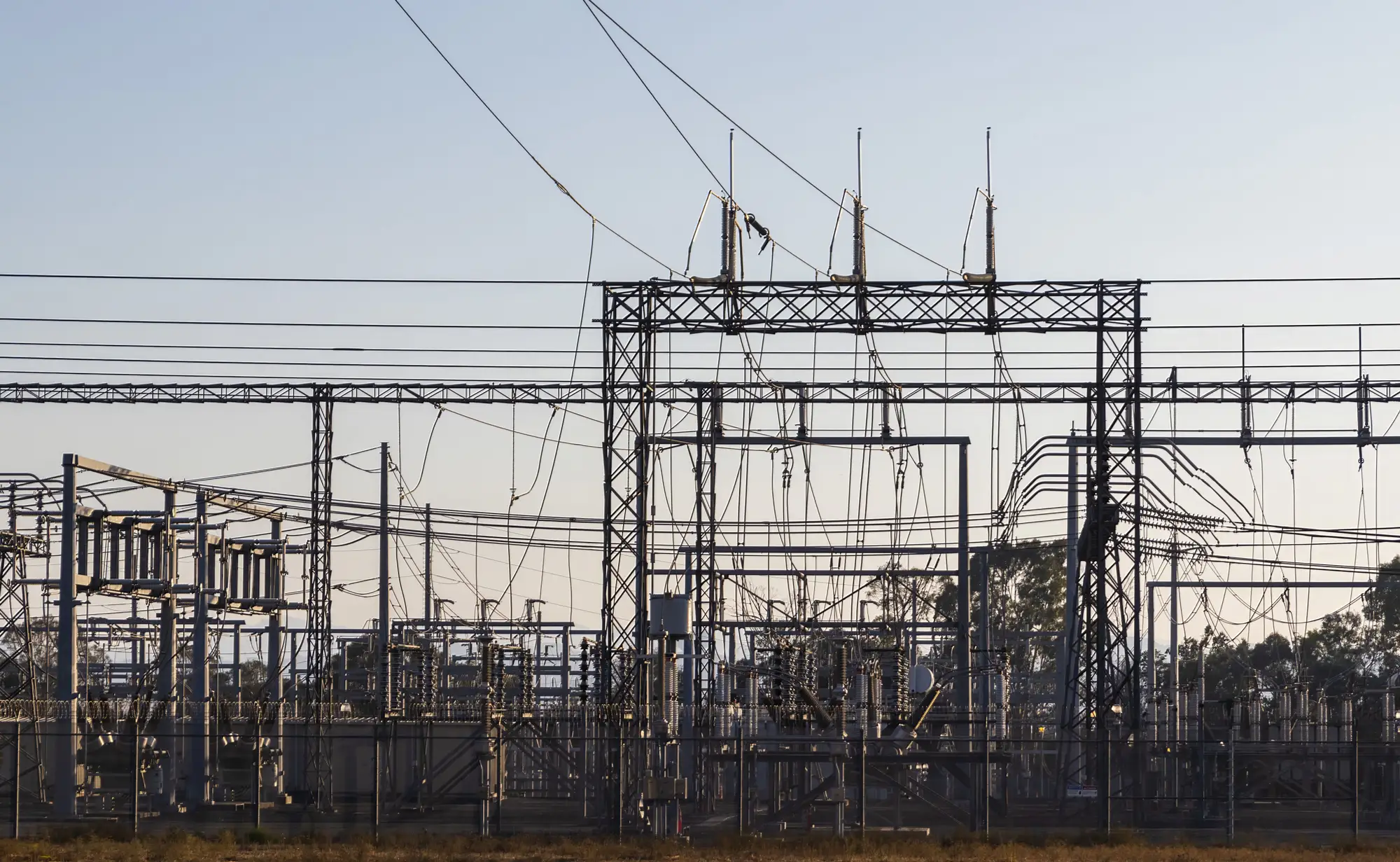
There's a site out past the ring road, flat agricultural land with nothing on it but stubble and a drainage ditch, that's had a 132kV substation fully built, fenced and energised for the better part of eight months, with no pad poured, no piling rig on site, and no shell steel on order that anyone's heard of. Just switchgear, a bank of transformers, and a connection into the grid that cost someone a long queue position and a lot of patience to secure.
If you do groundworks, power, or cooling for a living, you already know what that means. It means the hyperscale or colo deal on that land is real, it's just not visible yet through the channels most of our trade still relies on.
The old sequence was planning notice, then site clearance, then pad, then everyone finds out roughly when the first steel goes up and the tender packages start circulating. That sequence still happens. But on power-led sites, the substation and the grid connection agreement come first, sometimes years first, because the connection is the actual constraint. Land is available in most regions. Capacity at a given grid node is not. A developer who's secured a firm offer from the DNO or TSO for a meaningful block of MVA has effectively banked the hardest part of the project before a single civils contractor has heard the site's name.
Talk to anyone who's chased grid connection dates and you'll hear the same thing: queue positions for anything above about 50MW at a decent voltage are scarce enough that developers will build out the substation and the connection infrastructure speculatively, ahead of a confirmed building programme, just to hold the slot and start the clock on energisation milestones. The substation isn't a late-stage utility hookup anymore. On these sites it's closer to a down payment.
The old rhythm for winning work treated a substation going in on open land as a mild curiosity, maybe a line in a trade newsletter about grid reinforcement in the area. Now it's a leading indicator that a pad, a shell, and a cooling plant are coming to that same parcel, inside a window a bid calendar can be built around once the connection date is known. The planning portal will eventually show the main building application. The council will eventually issue a notice. By the time either of those happens, the civils and power packages for a site like this are often already out to a shortlist, because the developer and their consultants have known the programme internally since the connection agreement was signed.
None of this is secret information, exactly. It's just scattered. A connection agreement doesn't come with a press release, and the construction of a standalone substation doesn't trigger the kind of planning-portal alert most BD teams have set up to watch for data centre activity, because on paper it's categorised as energy infrastructure, not as a data centre at all. You'd need someone walking the land or watching the parcel from above to clock that the thing going in on an empty field in Q1 is the first visible commitment to a build that won't break ground on its own pad until Q4.
That gap, between the substation going live and the first pad being poured, is exactly the window where a subcontractor wants to already be in conversation rather than finding out from a tender notice. Watching how a site actually progresses month to month, including the energy infrastructure that shows up well ahead of the shell, is the whole premise behind tracking these builds from the ground up rather than from the paperwork down.
Next time a substation goes up somewhere that doesn't obviously need one yet, that's not a curiosity. That's the start of the programme, and it's worth knowing before the first concrete truck does.